MediaINFO Digital Library is one platform. What matters first differs by the kind of institution running it: the scale of the material, the languages in it, the rules around it. Six starting points, and the capabilities each one reaches for.
National libraries and archives
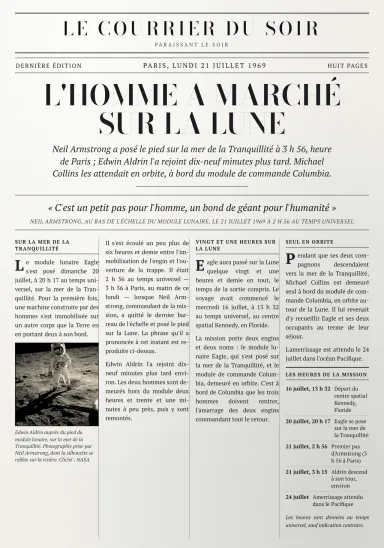
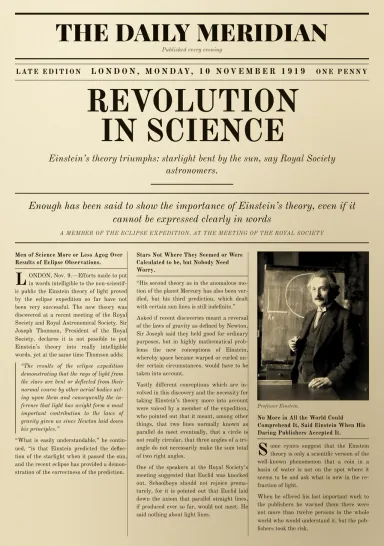
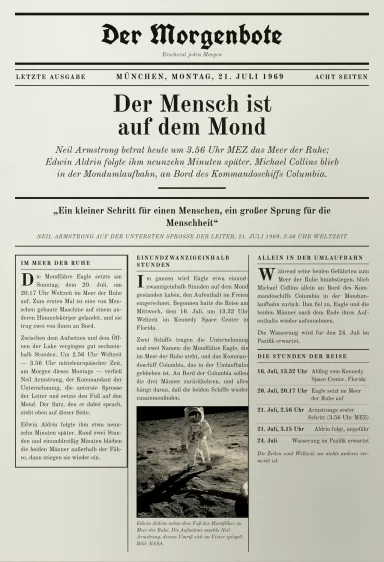
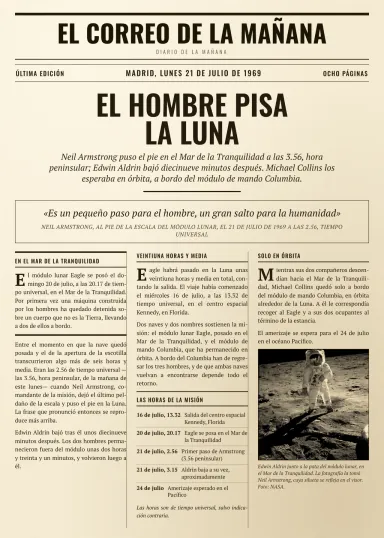
Text recognised from every pageDate · 1969 (3) · 1919 (1)Search across languages · English (1) · French (1) · German (1) · Spanish (1)
Museums and heritage
12
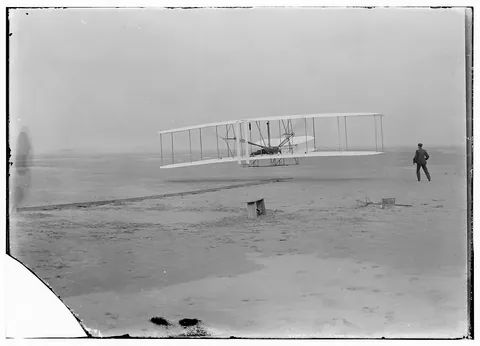
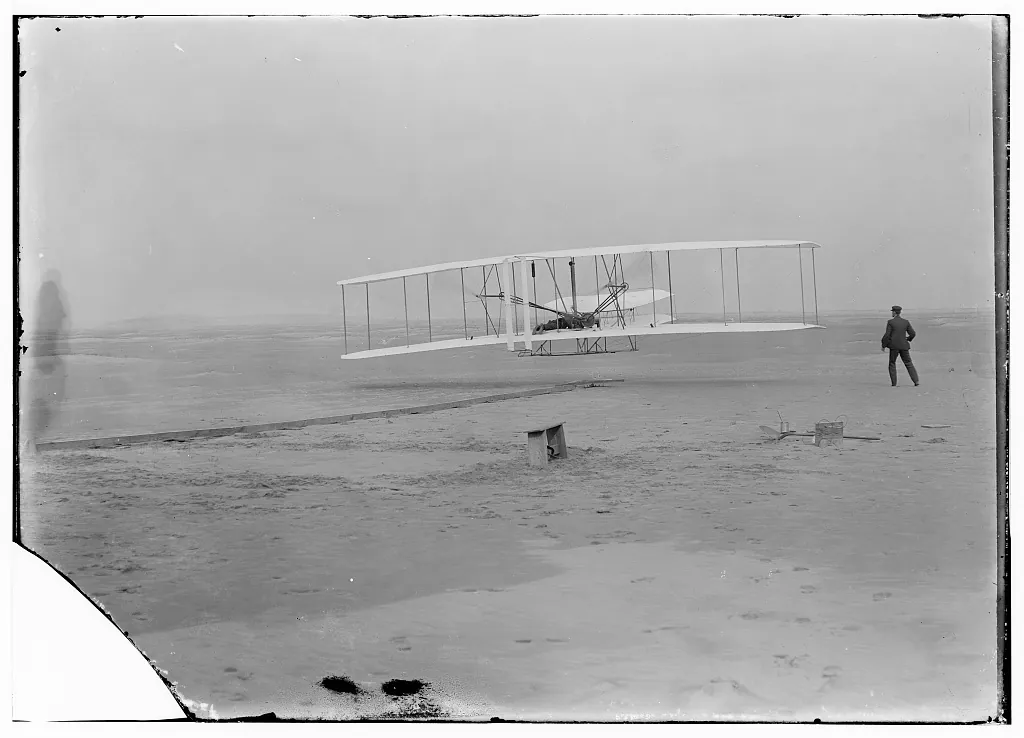
Deep zoom on the object1 · Wright Flyer2 · Wilbur Wright
Universities and research
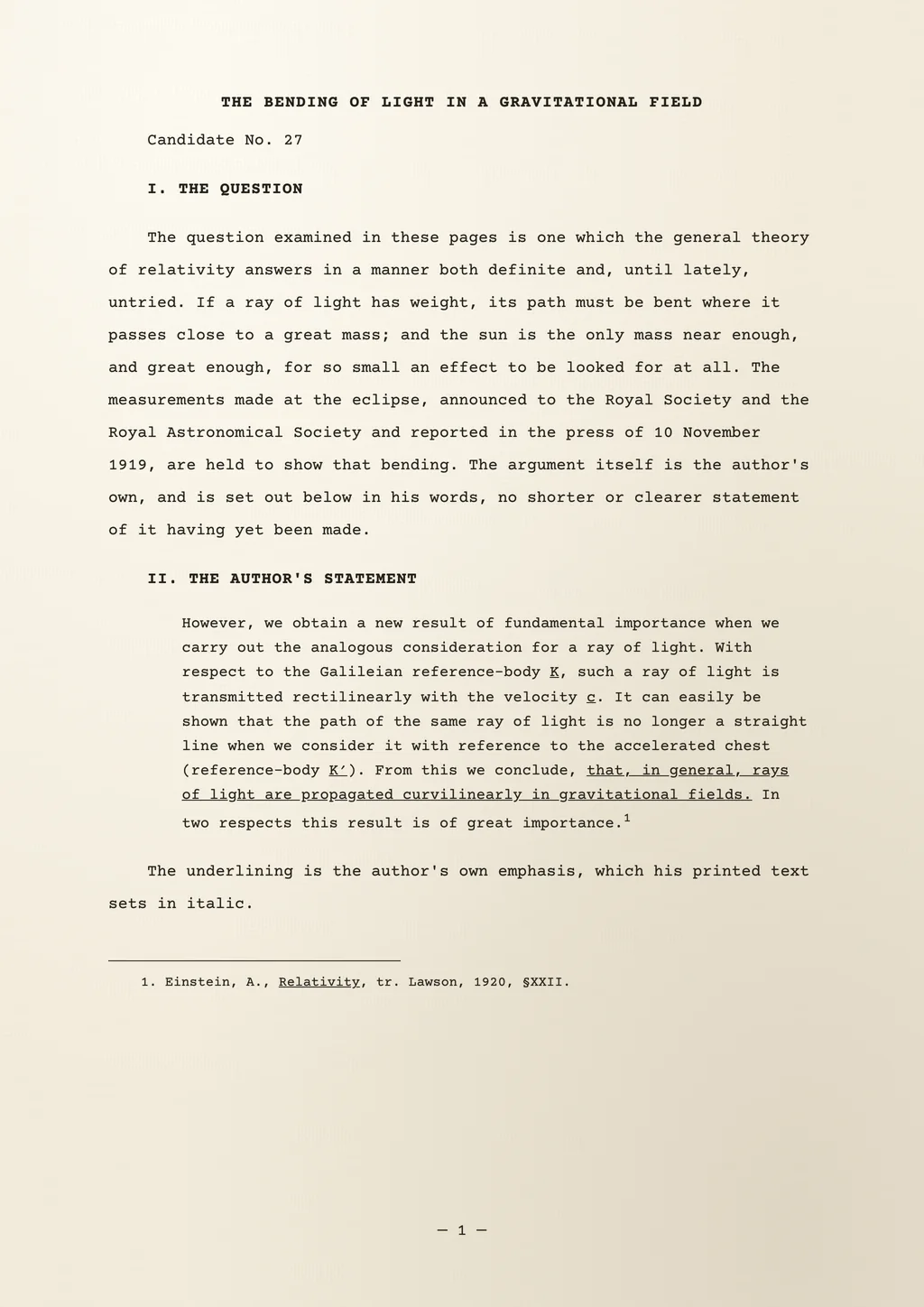
§XXII
However, we obtain a new result of fundamental importance when we carry out the analogous consideration for a ray of light. With respect to the Galileian reference-body K, such a ray of light is transmitted rectilinearly with the velocity c. It can easily be shown that the path of the same ray of light is no longer a straight line when we consider it with reference to the accelerated chest (reference-body K’). From this we conclude, that, in general, rays of light are propagated curvilinearly in gravitational fields. In two respects this result is of great importance.
96 of 97 words
Typescript0–9699 %
§XXII0–9699 %
Reviewing a copied passage99 % of this text is copiedDownloads in a citable form
Publishers and newspaper archives
Reprints, duplicates and who ran it firstLooks the same×3 · 21 July 1969
Broadcasters and moving image
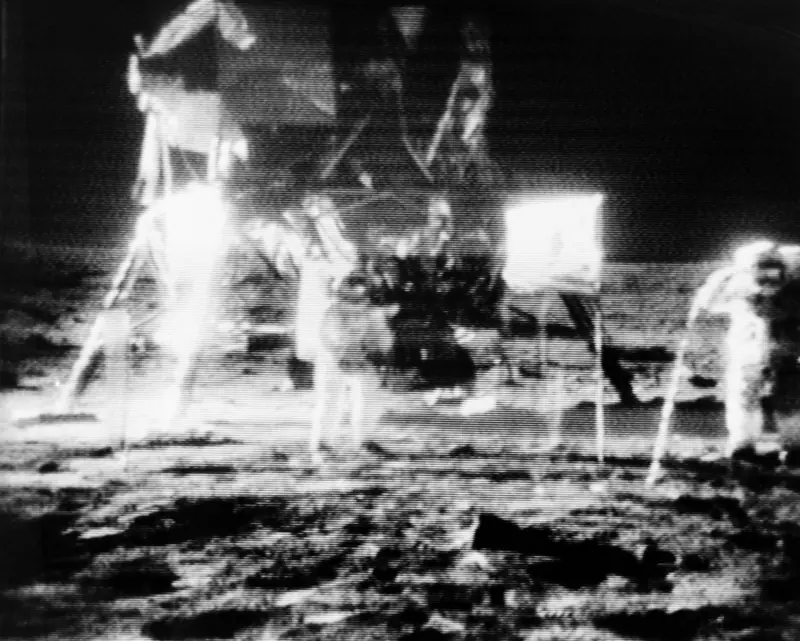
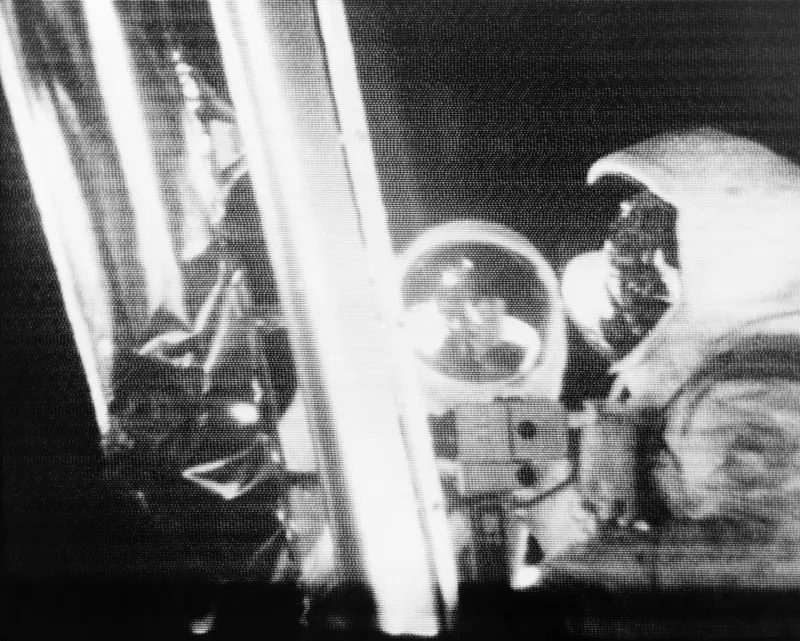
That's one small step for manone giant leap for mankind
Keyframes and chapters from footageJump to the spoken momentThat's one small step for man
Government and private collections
Runs on your own serversAir-gapped operationRoles, permissions and audit
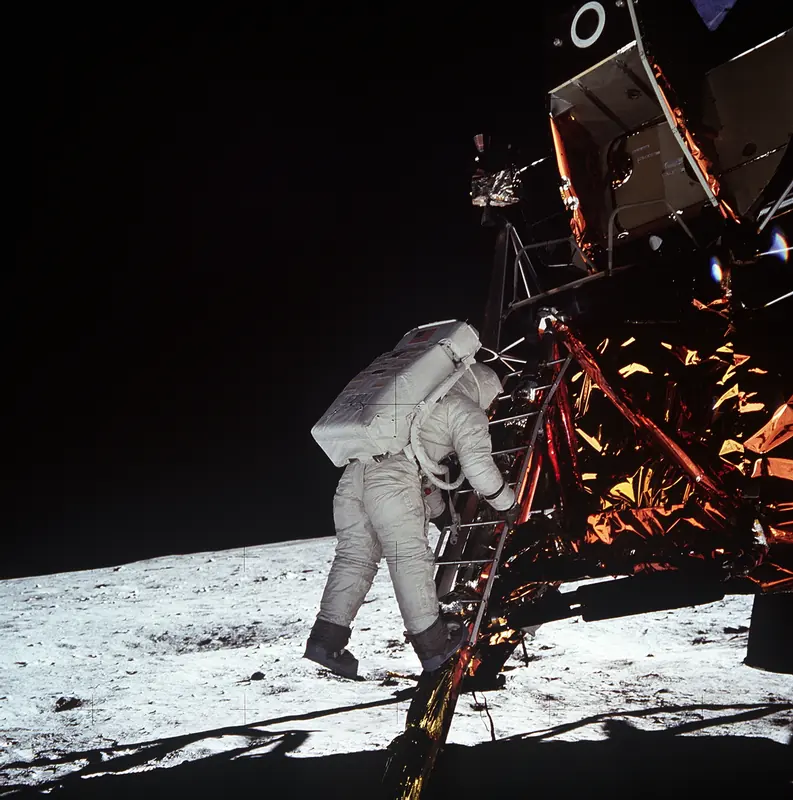
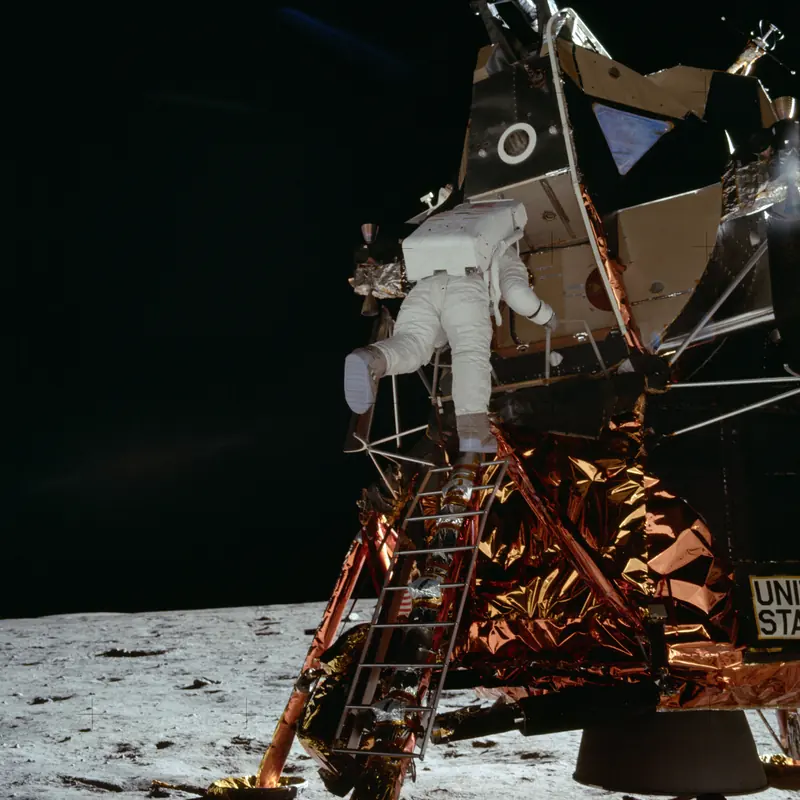
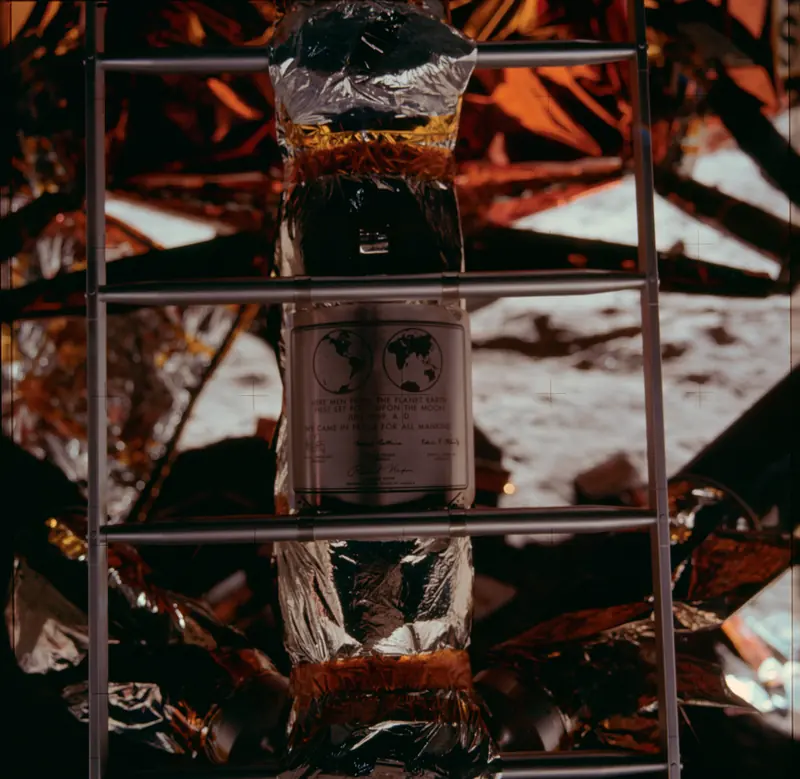
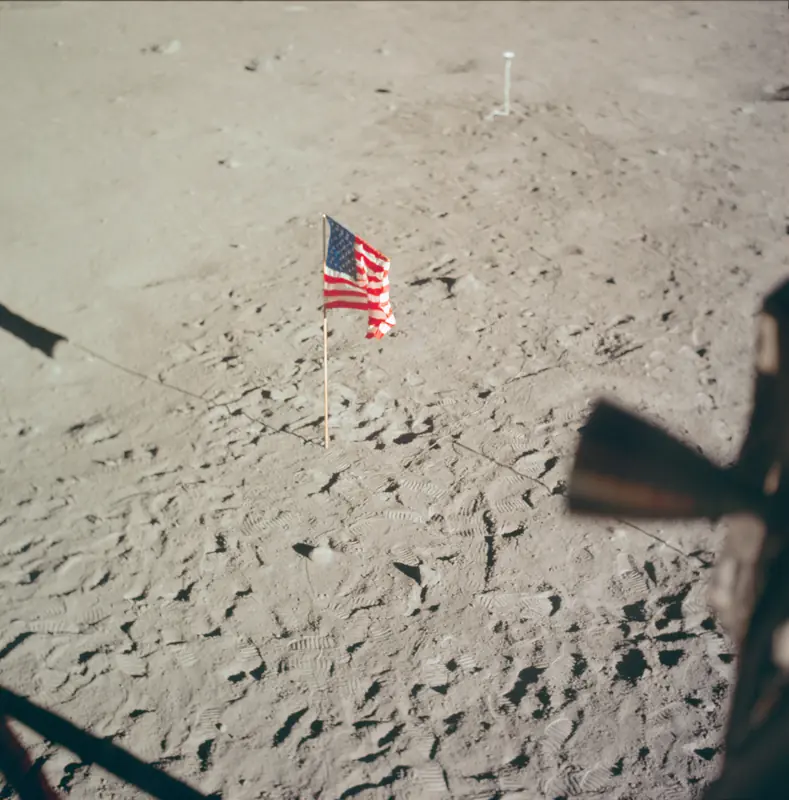
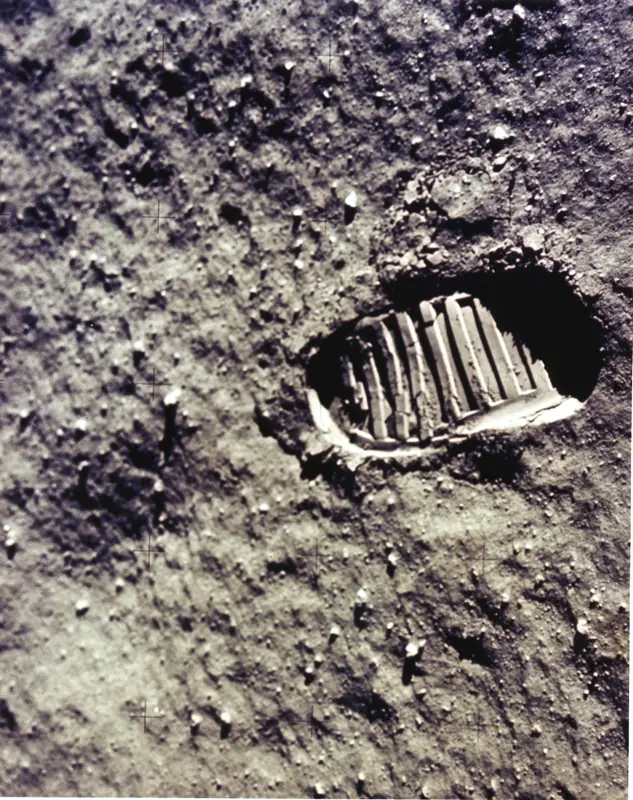
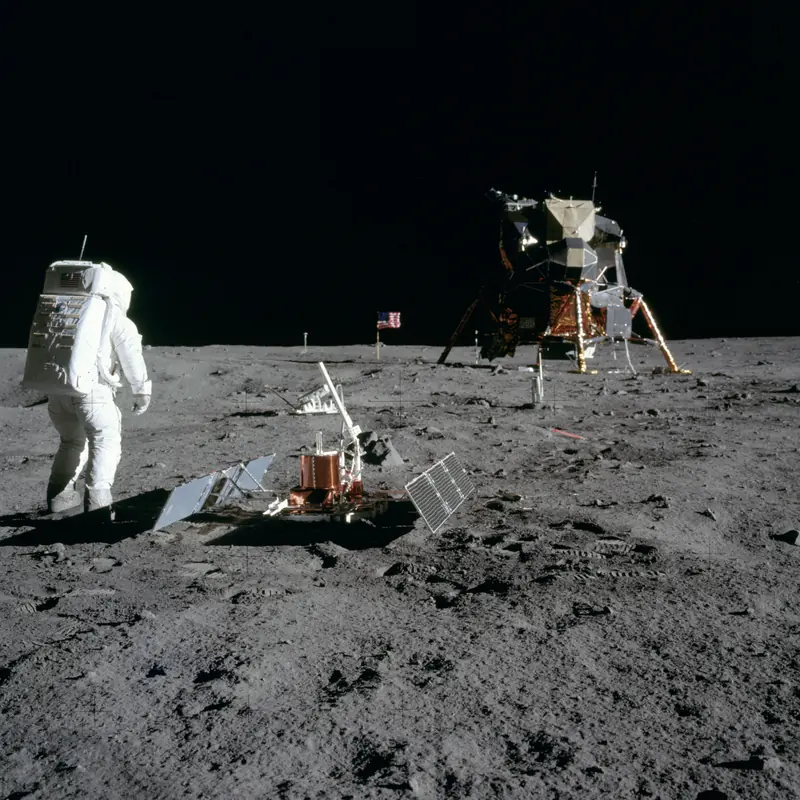
Six moments, one for each kind of institution this page is about, playing in turn. First, national libraries and archives: four whole front pages — one French, one German, one Spanish and one English, three of 21 July 1969 and one of 10 November 1919 — sort themselves by date and then by language, with the facets counting as they go. Second, museums and heritage: the photograph of the first flight at Kitty Hawk on 17 December 1903 under a lens, with two regions measured on it and named — the Wright Flyer, and Wilbur Wright running alongside. Third, universities and research: a typed sheet of 1919 beside the paragraph it quotes from Einstein’s own account of 1916, with the one passage the two share — 96 words — marked on both and measured at 99 per cent of the quoted paragraph. Fourth, publishers and newspaper archives: five pages collapse into a duplicates lane, the three that printed the same photograph of 21 July 1969 gathered into one group of three. Fifth, broadcasters and moving image: eight keyframes from the lunar surface under one of them, with the recording’s own transcript drawn as a chapter bar and the play head standing on “That's one small step for man”; nothing plays. Sixth, government and private collections: the scene dims and an air gap closes around it — it runs on your own servers, can run with no route to the outside network at all, and every action against a record is attributable. Under the scene, six links lead to the six sections of this page.
01
National libraries and archives
Millions of pages, many of them in scripts and languages the reading room no longer speaks.
A national collection is rarely one collection. It is a legal deposit run, a manuscript vault, a map room, a newspaper microfilm programme and thirty years of digitisation projects, each catalogued by a different generation to a different standard. The scans exist; what is missing is a way in. Text has to be recognised from the page (including from scripts the reading room no longer reads every day), maps and manuscripts have to be seen at the detail they were drawn in, the arrangement the institution already uses has to survive the move, and the record has to travel out to the aggregators that readers actually search. Each of those collections can also open onto a browse page of its own (its own filters, timeline and result layouts), which the library's staff build from the platform's own blocks.
Objects, photographs and documents that have to be shown as carefully as they are kept.
An object is only as public as its worst reproduction. A museum that has photographed its holdings (objects, maps, manuscripts) at preservation resolution then finds it cannot show them: the files are too large for a web page, too valuable to release unwatermarked, and too flat to convey what the object is like in the hand. The material needs to be shown at full detail, with the conditions of use attached to it, and with the curator's own description travelling beside the image rather than behind a login. An exhibition deserves more than a search box, too: its story, told on a page the museum builds from the collection itself (a hero picture, the objects chosen, the curator's text around them) without writing code.
ReferenceAbu Dhabi Tourism & Culture AuthorityUnited Arab Emirates
03
Universities and research
Special collections that only earn their keep when researchers can actually reach into them.
Special collections earn their keep only when a researcher reaches into them without an appointment. The obstacles are practical: the finding aid is a PDF, the digitised runs are on a shared drive, and a question that spans two collections cannot be asked at all. What a research library needs is a catalogue that can be searched in the reader's own words and language, keeps a shortlist between sessions, releases a file in a form that can be cited, and, for a thesis under review, has its copied passages checked against the collection, available when enabled for an installation.
A century of print that is only worth digitising if a journalist can find one paragraph in it.
A newspaper archive is the most searched and least searchable thing a publisher owns. A century of print carries the reporting, the photographs and the advertising that no one else has, and none of it is worth anything to a journalist on deadline unless one paragraph, on one page, in one edition, can be found in seconds. That means text recognised from difficult print, pages broken into the articles they actually contain, and a download that respects the rights attached to each item.
Hours of footage where the thing you need is thirty seconds long.
In an audiovisual archive the unit of value is not the tape, it is the thirty seconds inside it. Cataloguing at programme level means a researcher watches an hour to find a sentence. What changes the economics is speech transcribed with timings and faces gathered across the whole archive, so a search lands on the moment rather than the file, and a producer can clear and cut from it the same afternoon.
ReferenceTHAKERA-TECH by Albayan / Dubai Media Inc.United Arab Emirates
06
Government and private collections
Records that must stay on your own infrastructure, and sometimes off the network entirely.
Records offices and private collections often start from the opposite constraint: nothing may leave. The requirement is not a feature but a posture: the platform runs on the institution's own servers, can run with no route to the outside network at all, and every action against a record is attributable. Access is decided collection by collection, and the answer to "where is our data" is a rack the institution owns.
ReferenceUAE Prime Minister's OfficeUnited Arab Emirates
Capture
Scanning, with the makers.
We start with the material, not the machine. Where a collection still has to be scanned, we advise on the scanner that suits it and its condition; two of our distributors build them, and the partner who scans can also install and support MediaINFO Digital Library. Material already scanned on office scanners, and material born digital, goes straight in.
Robotic book scanners that turn the pages of a bound volume themselves, semi-automatic V-shaped book scanners, and a scanning service of its own, which scanned the newspapers now in Scriptorium.
Robotic book scanners for originals up to A1, manual book scanners, flatbed scanners up to double A0 for maps and plans, and microfilm equipment. By its own account it is represented in more than 100 countries.
Robotic
Manual
Large format
Microfilm
And makers of specialist scanners
For paintings, decorative surfaces and maps, we also work with:
Scanners for cultural heritage: books, maps, parchments, paintings and drawings, including originals whose relief or gilding has to show.
The right scanner for the material
Choosing the scanner is half the project. We have long experience advising institutions on the digitisation technology that suits each kind of material and the state it is in: bound volumes that cannot be opened flat, oversized maps and plans, paintings, microfilm.
Scan, or bring it in
Bound books and newspapers, maps and microfilm on a partner's scanner; office scans and born-digital files as they are.
Read
In the platform: the text on every page, in Latin scripts and Arabic, and each newspaper page read into its articles.
Publish
To your readers, from your own servers, with every word searchable.
Done together: Scriptorium, about 9 million pages of the press of Vaud, and ETERA, Tallinn University's e-library.
See it on your own material.
A guided demonstration on our demo server, with a few items from your collection if you wish.